8 hr
Košice Day Tour: Prešov, Spiš Castle, Levoča & Tatra Mountains
- Expert local guide
- Small group
- Skip-the-line access
- Free cancellation
Spis Castle From Kosice — Day Trips & Reserved Entry
Central Europe's grandest medieval ruin, one hour from the city
Compare fares, pick the fit — all bookings are mobile-voucher and eligible for free cancellation where shown.
8 hr
9 hr
13 hr 30 min
| Experience | Duration | Rating | Skip-the-line | Guide | Small group | Free cancel. | Price | |
|---|---|---|---|---|---|---|---|---|
|
Guided Experience
Most popular
Košice Day Tour: Prešov, Spiš Castle, Levoča & Tatra Mountains
|
8 hr | ★ 4.8 | ✓ | ✓ | ✓ | ✓ | $115 | Book → |
|
Guided Experience
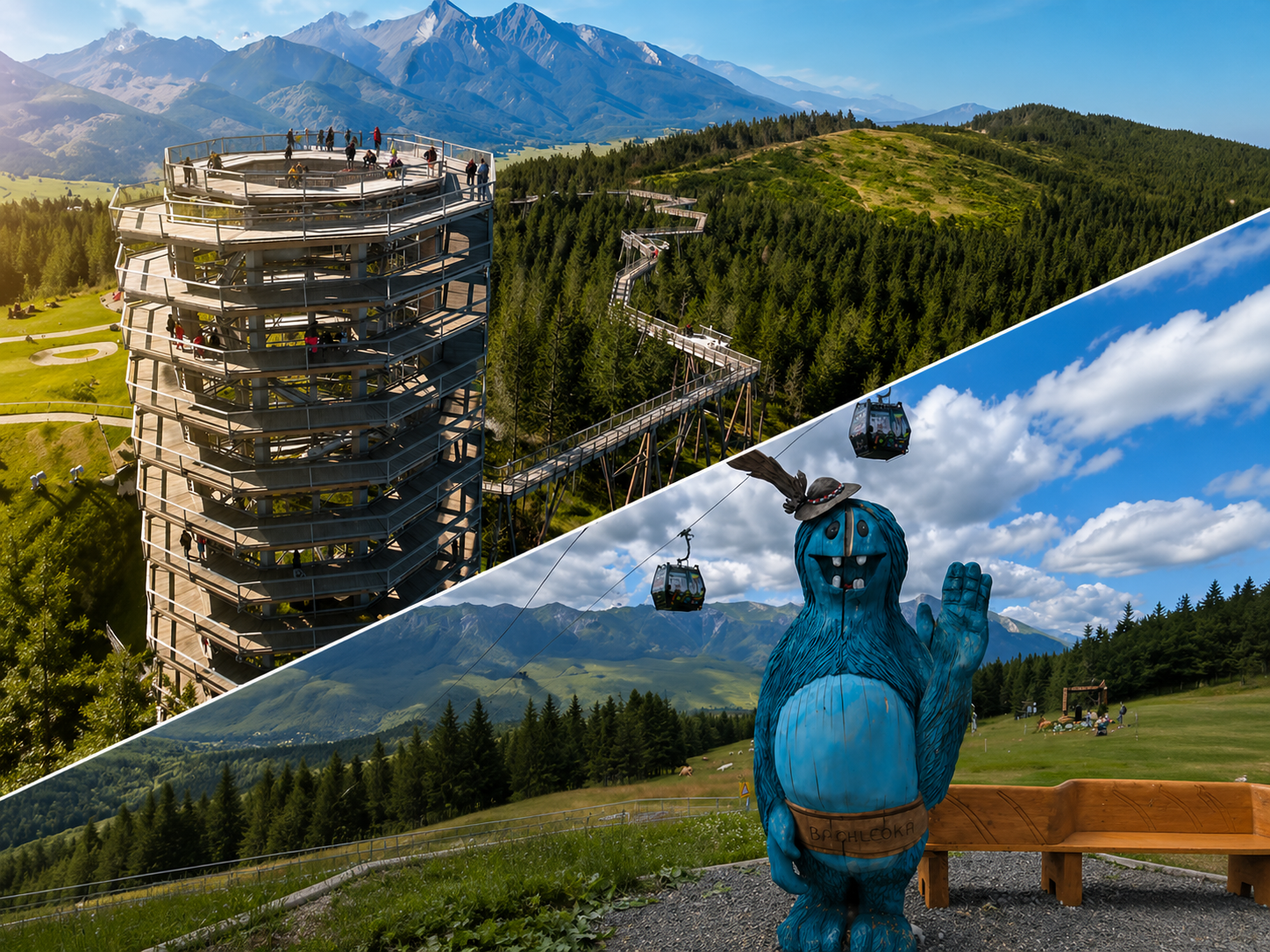
Presov, Spis Castle, Levoca & Bachledka Treetop Walk Day Trip
|
9 hr | ★ 5.0 | ✓ | ✓ | ✓ | ✓ | $150 | Book → |
|
Guided Experience
Čičmany, Bojnice, Orava Castle & High Tatras Full-Day Tour
|
13 hr 30 min | ★ 4.6 | ✓ | ✓ | ✓ | ✓ | $194 | Book → |
Worth it for history enthusiasts and photographers
The 12 EUR entrance fee for Spis Castle from Kosice represents solid value when you consider the scale of what you're visiting—one of Central Europe's largest medieval fortress complexes, sprawling across three hectares of hilltop ruins. The hour-long drive from Košice delivers you to a UNESCO World Heritage Site where Romanesque and Gothic architecture merge across towers, courtyards, and defensive walls that have stood since the 12th century. The ruins reward curious visitors willing to climb steep stone paths with commanding views over the Spiš region and Slovenský raj foothills. History buffs gain insight into medieval fortification strategy, while photographers capture dramatic stone arches and pastoral valley panoramas. The castle lacks polished restoration—expect raw stone, gravel paths, and minimal interpretation—but that authenticity is precisely what makes the visit compelling for anyone drawn to genuine medieval remains rather than theme-park reconstruction.
Bottom line: For anyone fascinated by medieval architecture or seeking dramatic Slovakian landscape photography, the spis castle from kosice tour delivers exceptional value at 12 EUR.
Hand-picked experiences loved by thousands of travelers
12-12.5 hours
Free Cancellation
Explore remote fortresses, alpine peaks, and traditional settlements on this immersive journey across Slovakia's dramatic northern landscapes.
13.5 hours
Free Cancellation
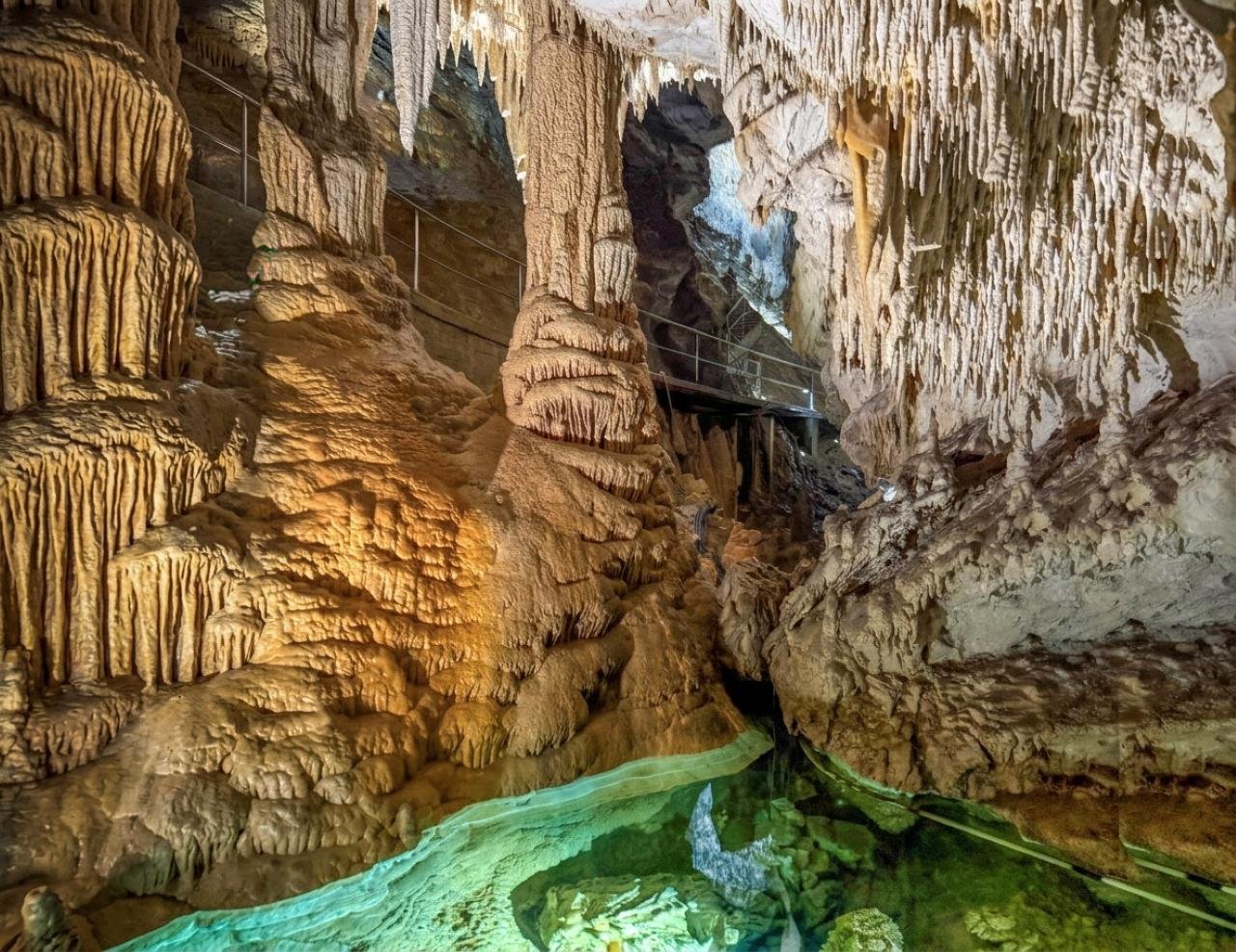
Explore Slovakia's medieval fortress, underground caverns, and alpine lake on a guided mountain adventure
1.5 hours
Free Cancellation
Explore Slovakia's eastern gem through centuries of history, from medieval glory to modern revolution
8 hours
Free Cancellation
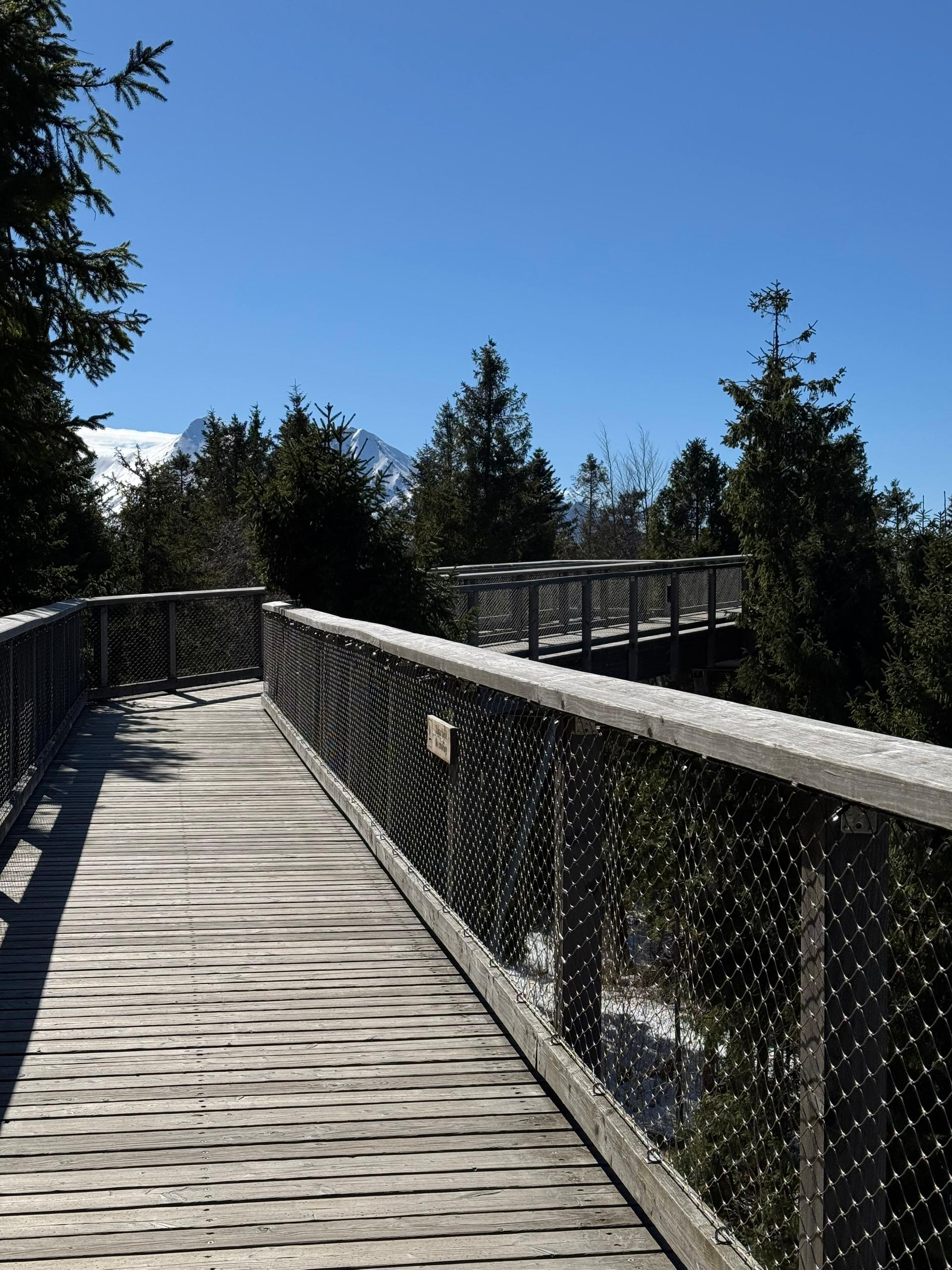
Gondola to elevated forest trails, mountain panoramas, and alpine lake exploration in the High Tatras
8 hours
Free Cancellation
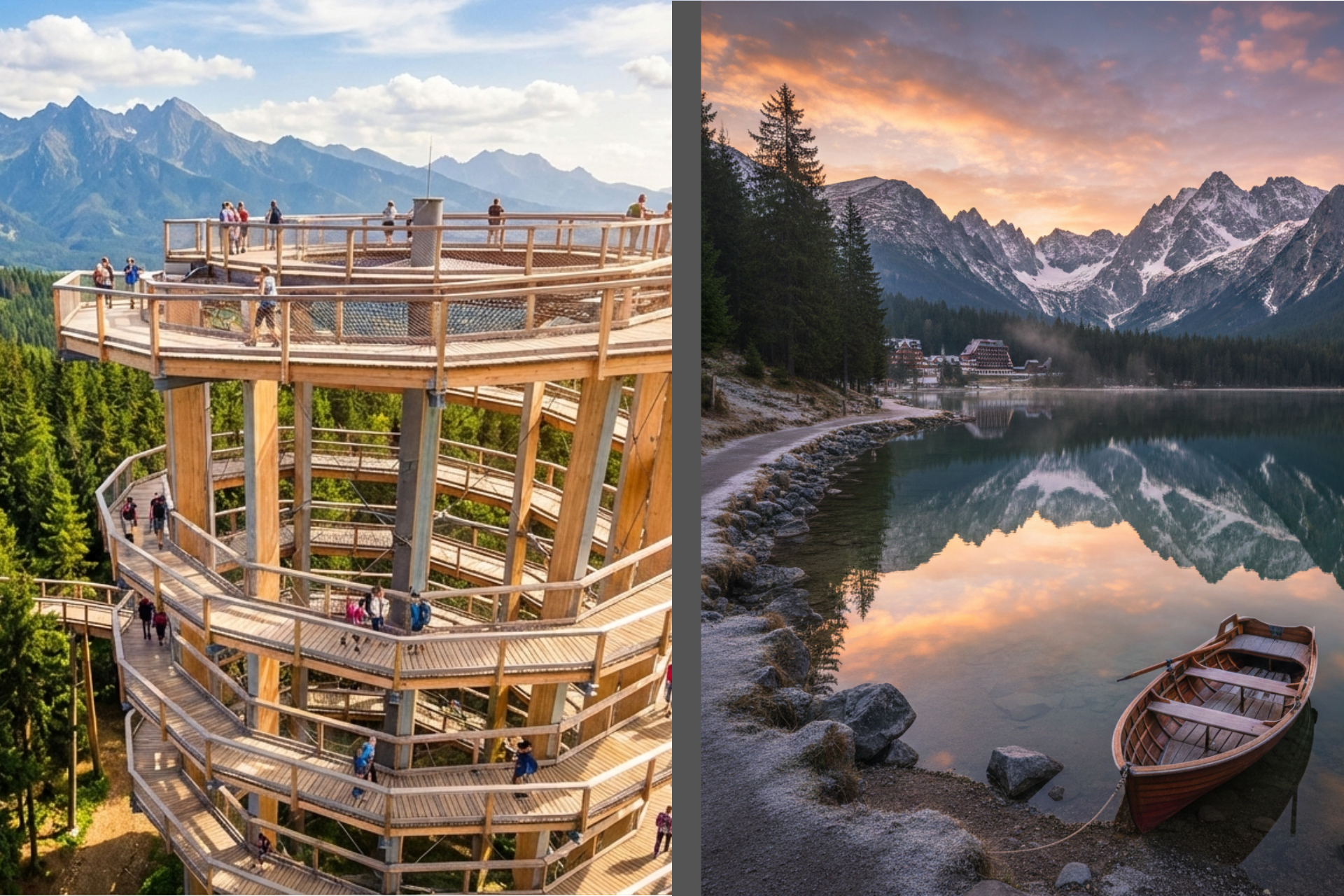
Walk above ancient pines on elevated pathways, then explore a pristine glacial lake in Slovakia's mountains
8 hours
Free Cancellation
Journey underground through Belianska Cave, ride a funicular to mountain vistas, and hike to cascading waterfalls
4 hours
Free Cancellation
Journey through a UNESCO castle fortress and end at a stunning alpine lake surrounded by peaks
2 hours
Free Cancellation
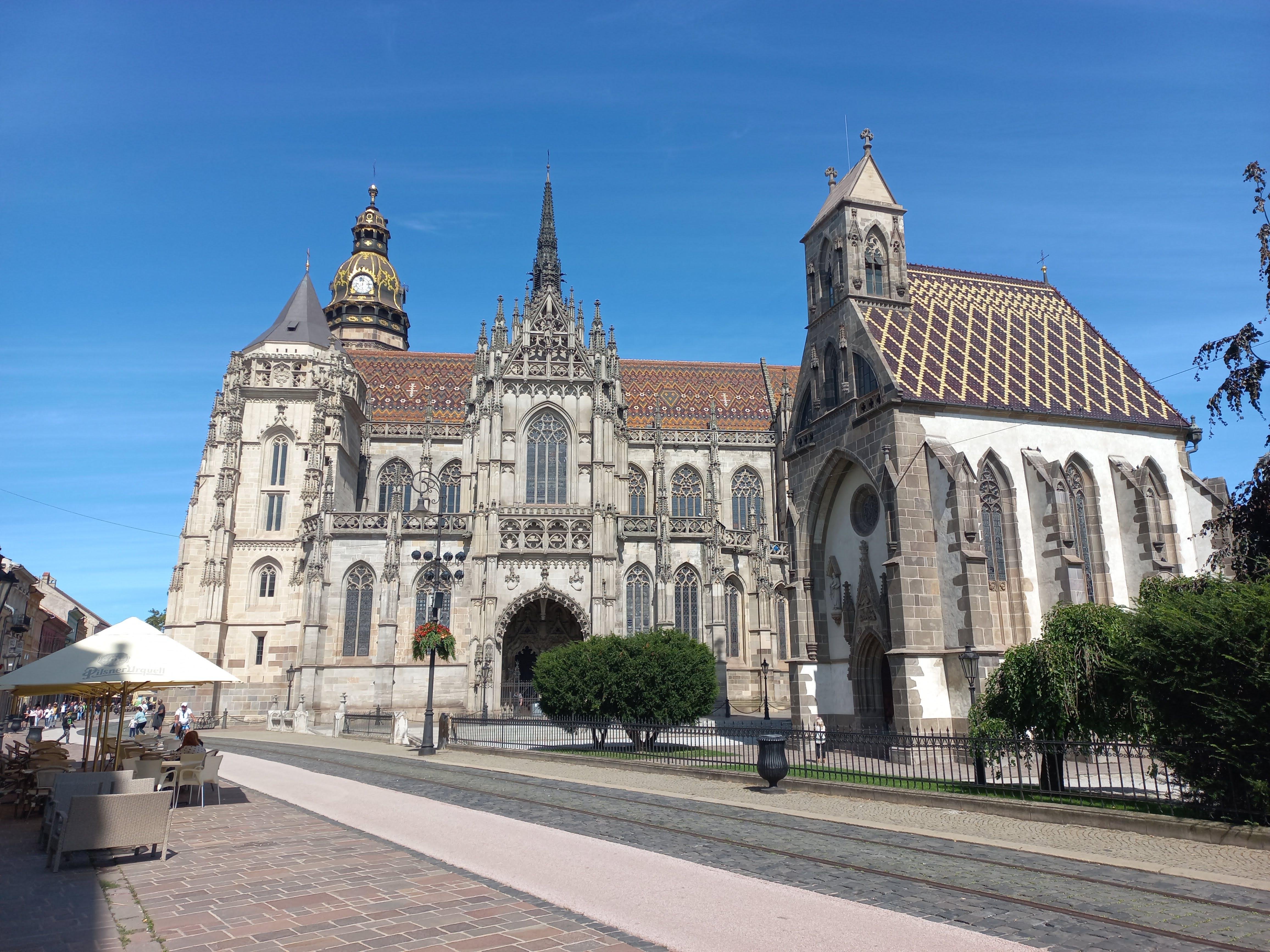
Discover Slovakia's second city on a personalized 2-hour stroll through medieval streets and Gothic landmarks
Reach the base parking lot and prepare for the incline
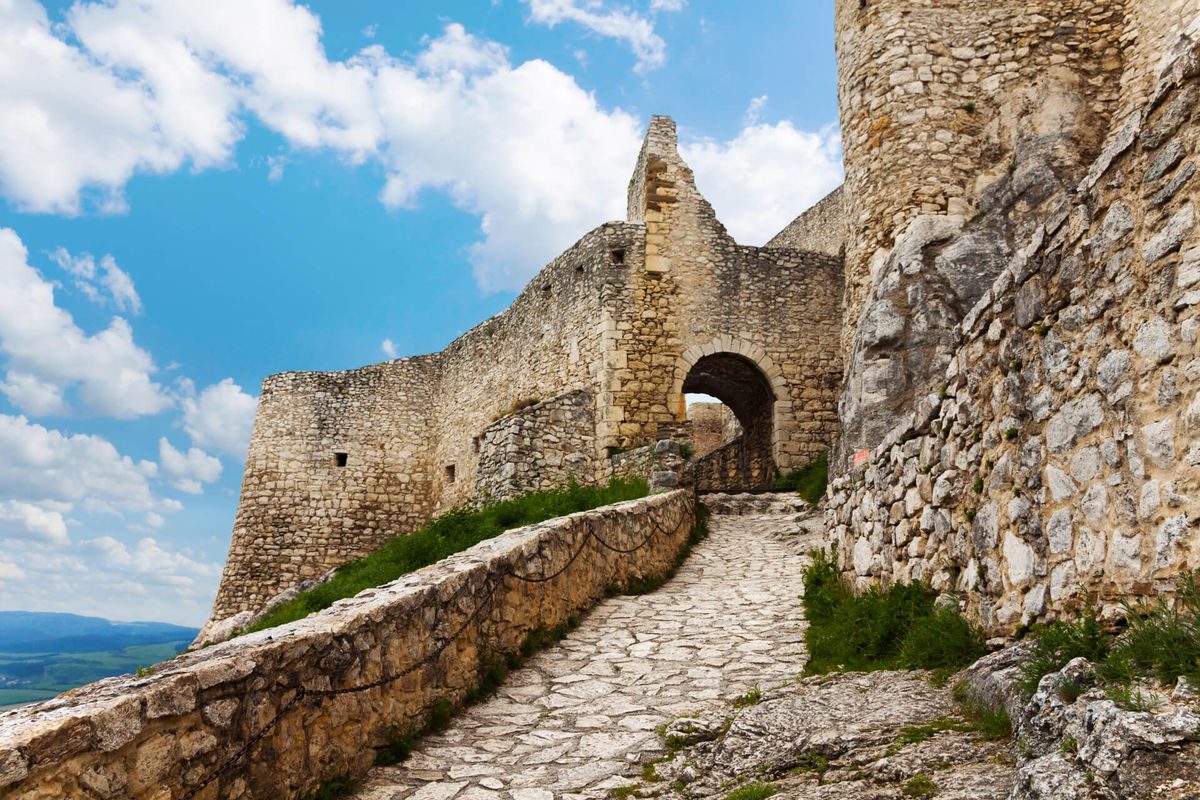
Walk the steep path to the main entrance
Tour the lower and middle courtyards and exhibitions
Take photos from the outer ramparts
This three-storey residence is one of Slovakia's oldest examples of secular architecture, dating to the early 13th century. It features original stone masonry that survived the 1241 Mongol invasion.
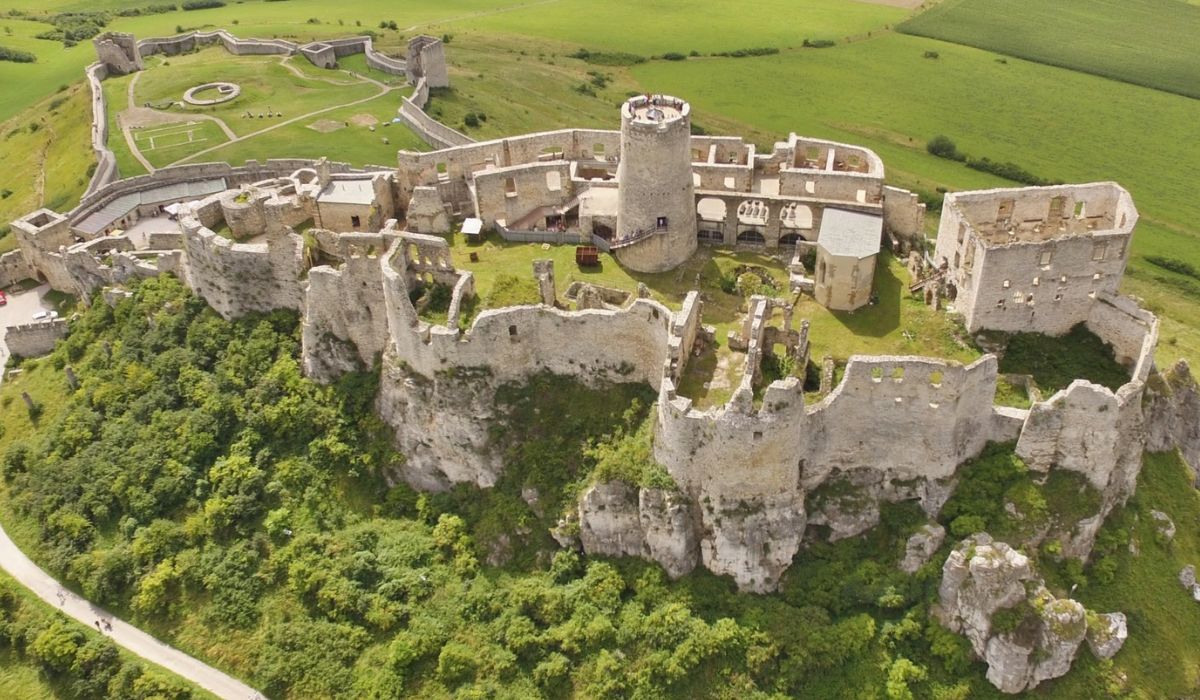
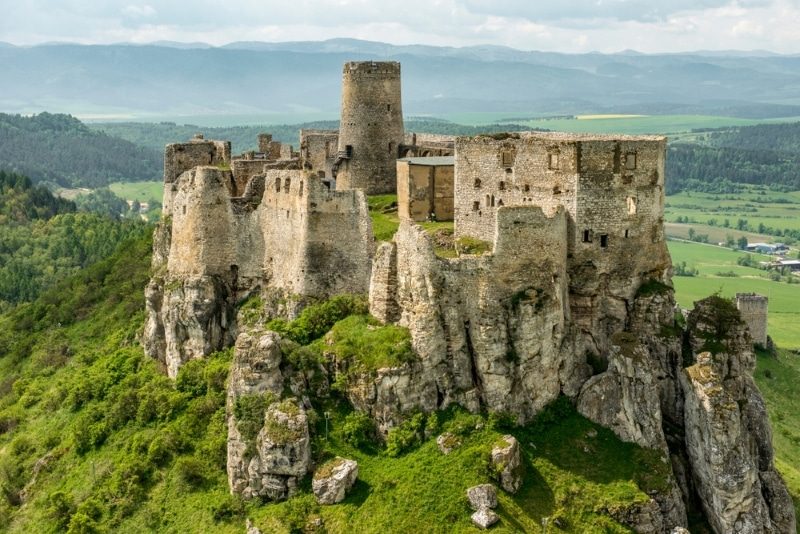
Known as the Donjon, this 13th-century structure served as the castle's defensive core. It provides the highest vantage point for viewing the surrounding Spiš landscape.
The middle and lower courtyards contain the majority of current visitor exhibits. They show the defensive layout that protected the nobility for centuries.
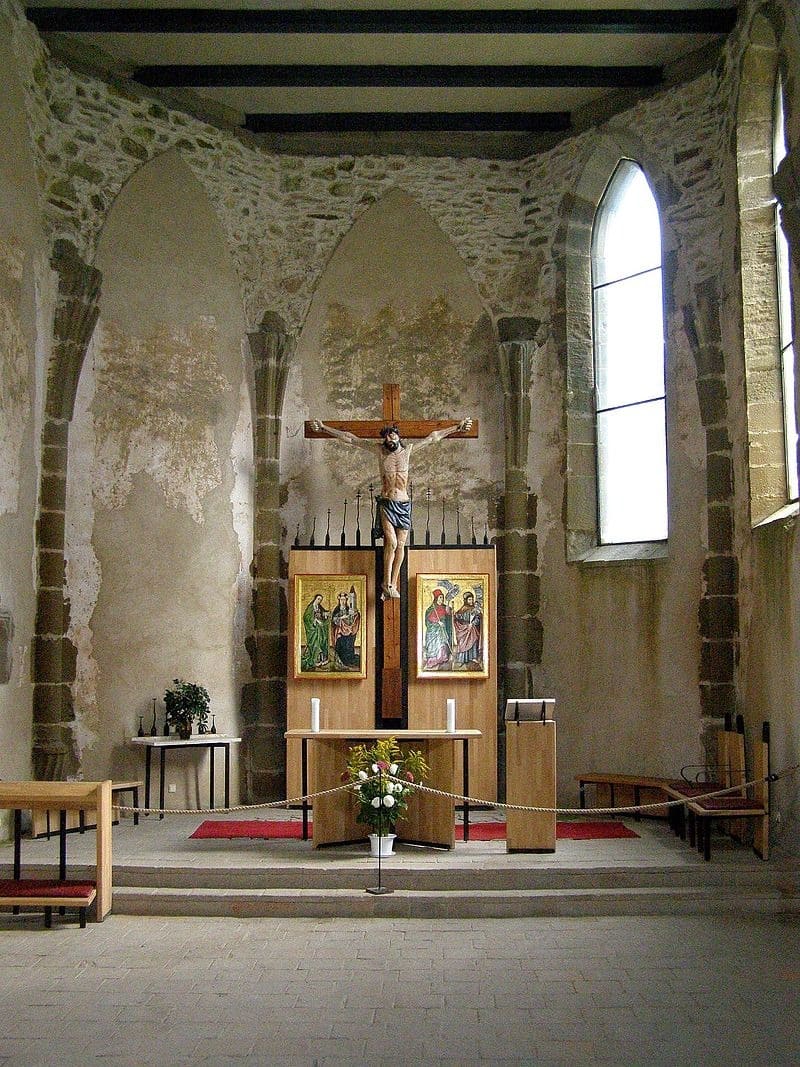
This chapel served as the private house of worship for the castle's aristocratic residents. It remains a focal point of the site's religious history.
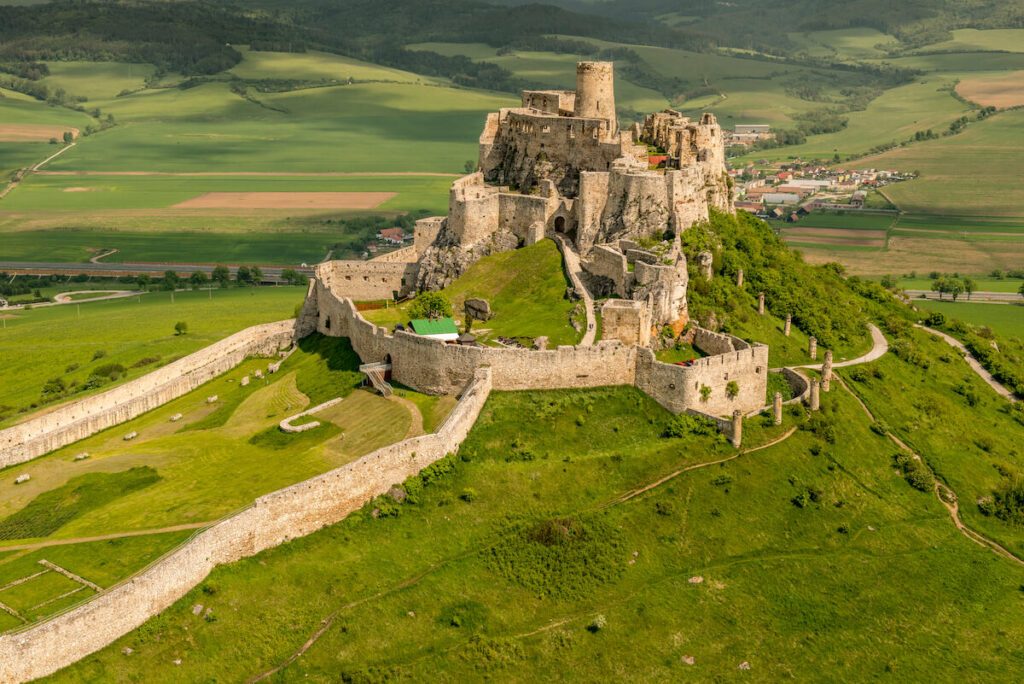
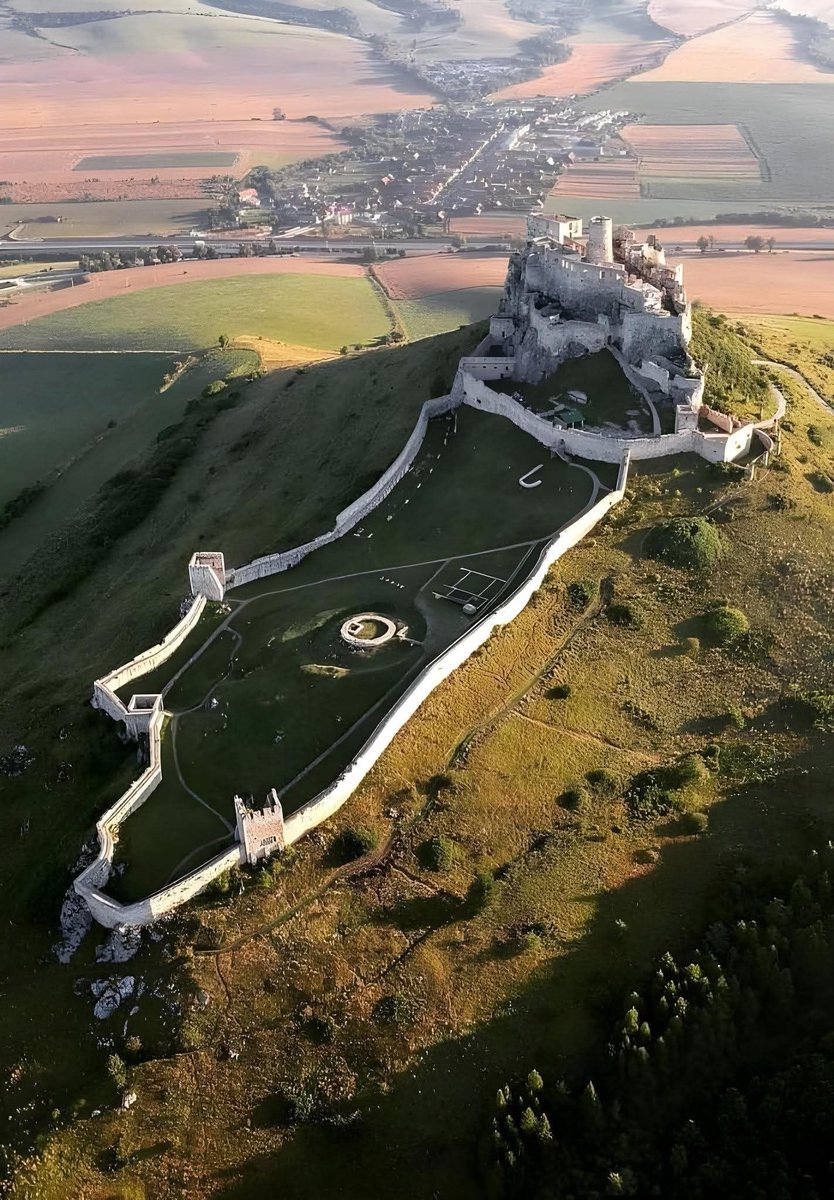
These walls sprawl across the travertine hill and define the massive scale of the complex. They offer consistent panoramic views of the valley below.
You leave Kosice by car or tour coach, heading west through low hills quilted with farmland and small villages. The hour-long drive deposits you at the base of the travertine hill, where a paved footpath begins its 20-minute climb through beech scrub toward the castle gates.
The gradient is steady but manageable; wooden benches at two switchbacks offer rest points with widening views of the Spiš plain below.
You enter through the outer gate into the lower ward, a broad courtyard flanked by remnants of stables and storage cellars. A second gate leads to the middle ward, where the keep rises four storeys above the defensive walls. You climb the interior staircase — stone treads worn smooth by centuries of boots — to reach the watchtower platform. From here the High Tatras serrate the southern horizon, and you can trace the line of villages that once owed fealty to this fortress.
Descending, you walk through the upper ward's roofless palace halls, their window frames open to the sky. Interpretation boards identify the great hall, the chapel with its surviving apse, and the residential quarters where the Zápolyai family hosted envoys. The exposed stonework reveals Romanesque foundations overlaid with Gothic arches and Renaissance doorways. You complete the circuit along the outer ramparts, pausing at crenellations that frame views of Žehra's church spire below. The return descent takes 15 minutes, and you reach the coach with dusty boots and a phone full of ridgeline silhouettes.
All the details about your upcoming adventure in one place
A spis castle from kosice journey takes you to one of Central Europe's largest medieval fortress complexes, perched on a dramatic limestone cliff in eastern Slovakia. The UNESCO-listed ruins span multiple courtyards, a Romanesque palace, and commanding ramparts offering panoramic views across the Spiš region. Most spis castle from kosice tours include round-trip transport, guided exploration of the fortifications, and time to wander the village of Spišské Podhradie below.
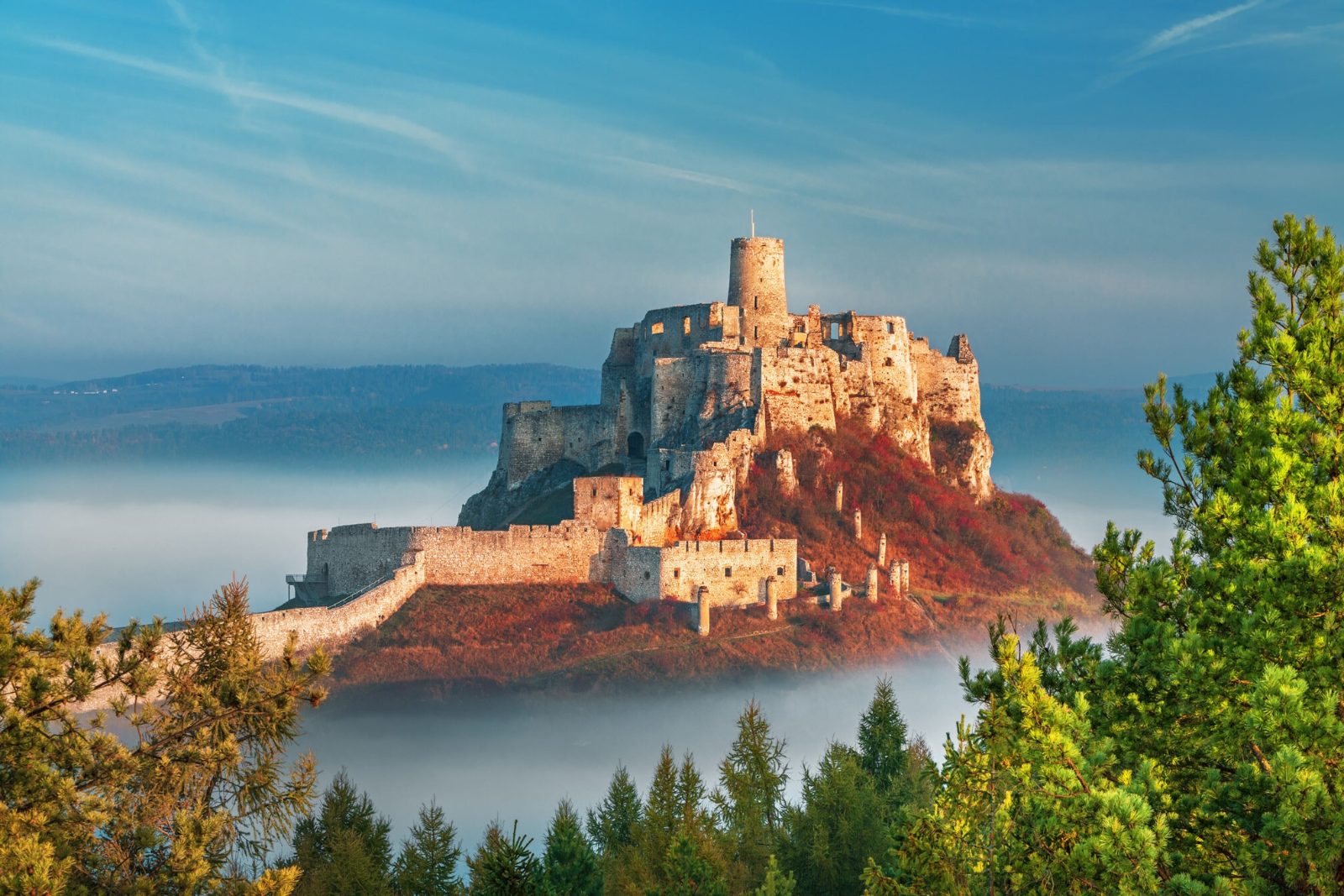
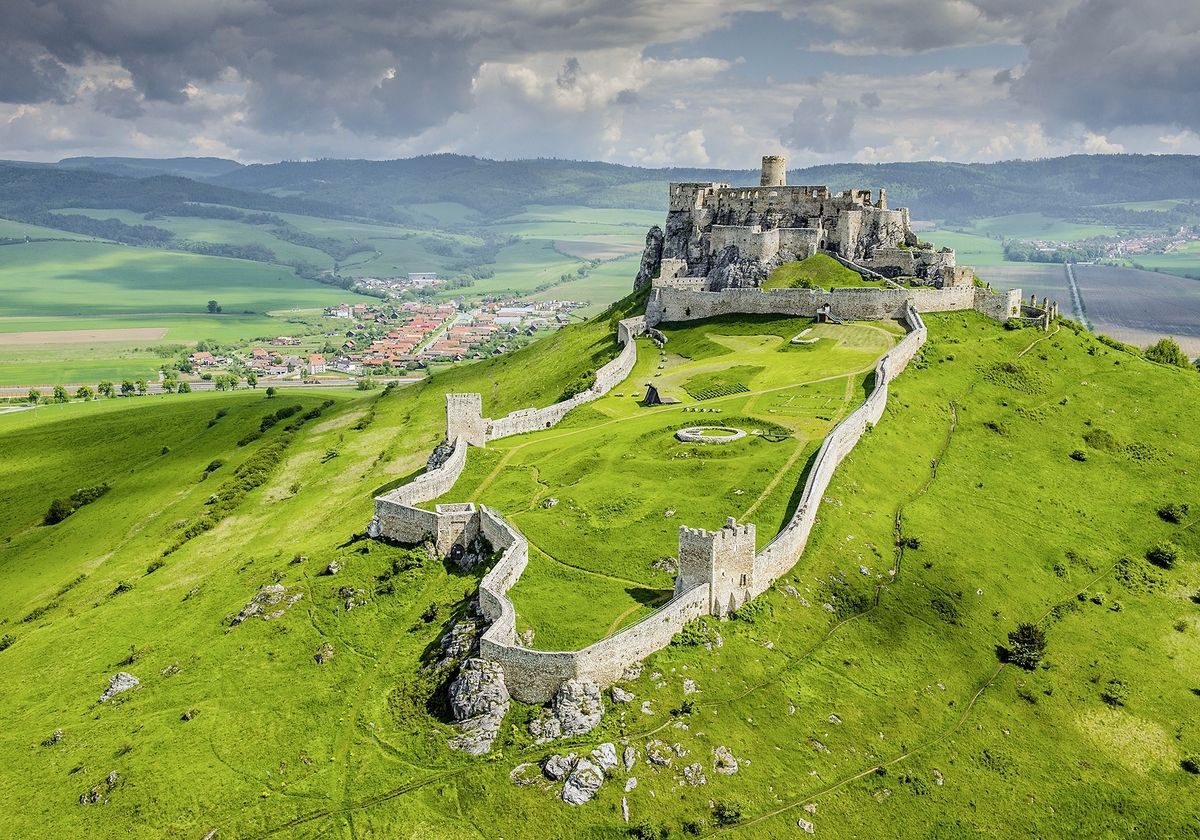
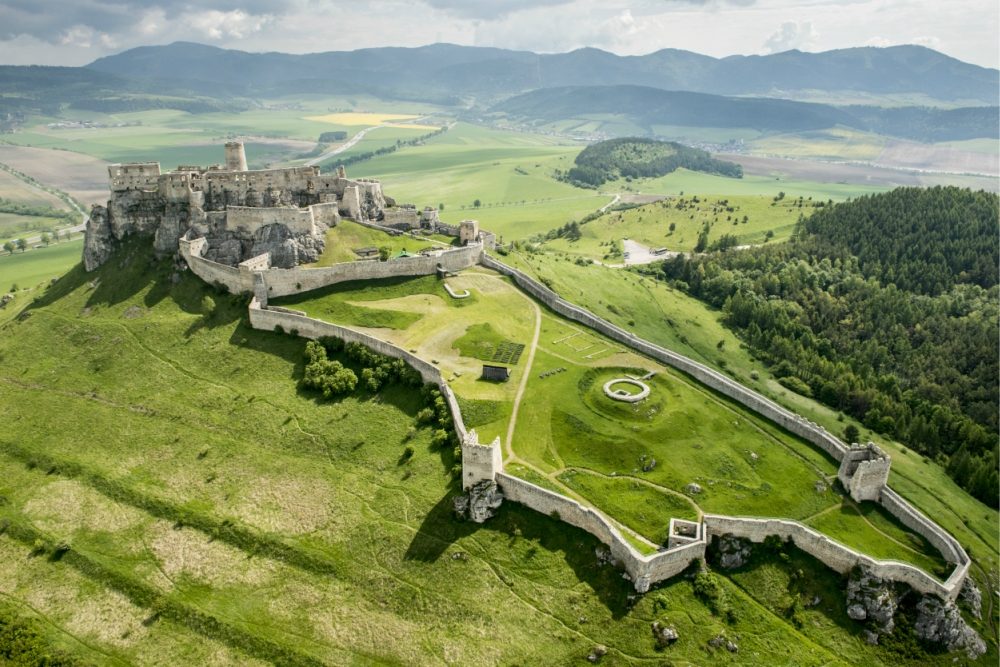
Spišský Hrad covers 41,426 square metres of limestone ridge — the largest castle complex by area in Central Europe and a UNESCO World Heritage Site since 1993.
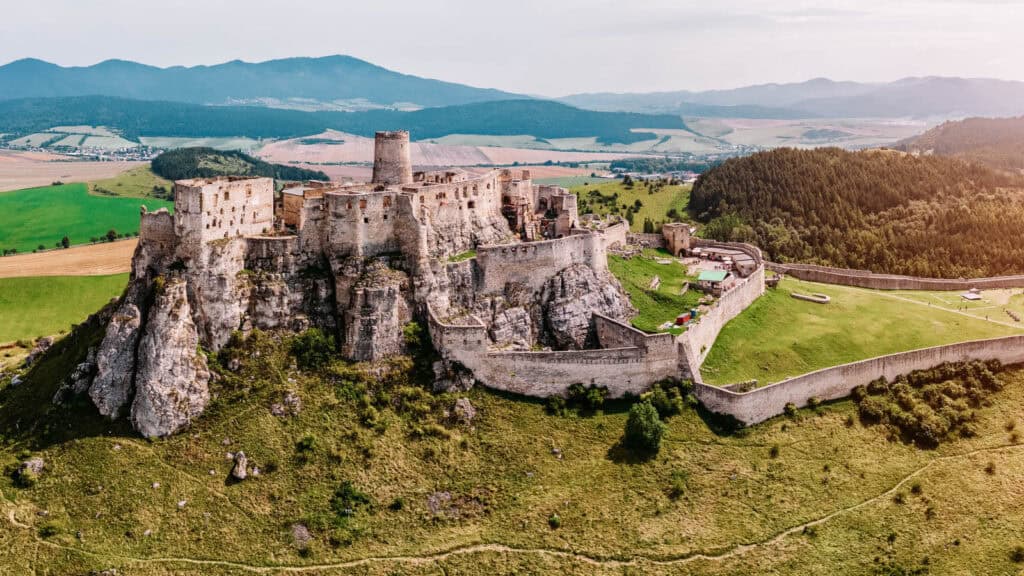
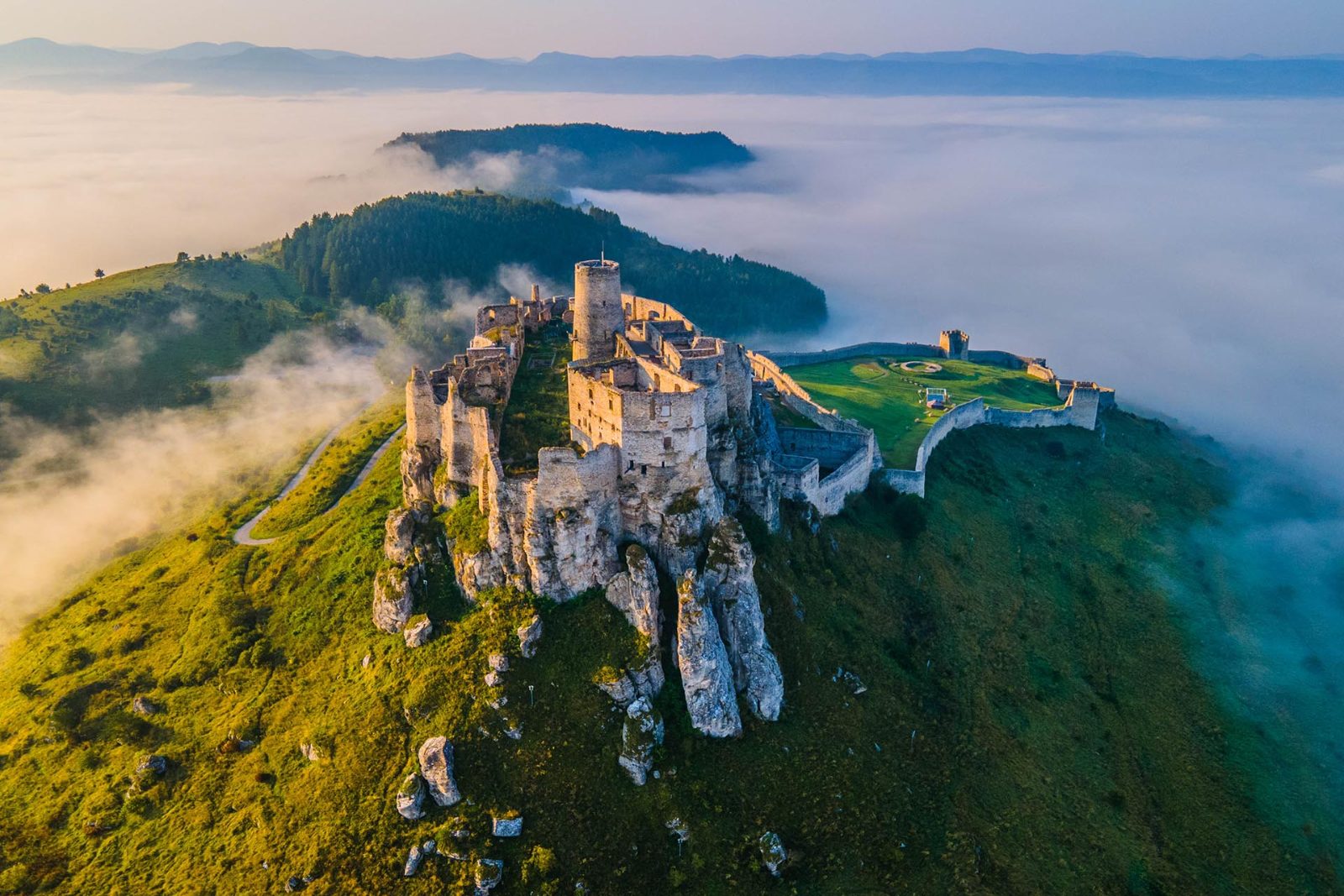
Built in the 12th century on a travertine hill 200 metres above the Spiš plain, the fortress served as a military and administrative stronghold for Hungarian kings until fire gutted its residential quarters in 1780. Today the skeletal Romanesque chapel, three-tier curtain walls, and roofless Gothic palace stand open to the sky, their pale stone silhouettes visible from villages twenty kilometres distant.
The castle's strategic importance derived from its position above the medieval trade route linking Poland and Hungary. By the 14th century, Spiš Castle anchored a network of 24 fortified towns that formed one of the wealthiest merchant leagues in the Kingdom of Hungary. The Zápolyai family, who held the estate from 1464 to 1528, funded the transformation of the upper ward into a Renaissance residence with vaulted halls and frescoed ceilings. After the 1780 fire, the ruins passed through noble families who left them to decay until the Czechoslovak state began archaeological stabilisation in the 1970s.
Visitors arriving today encounter a site that balances conservation with access. The lower and middle wards preserve their original defensive geometry — arrow slits, guard towers, and postern gates — while the upper ward exposes the layered construction phases of the keep and palace. Interpretation panels in Slovak and English mark the locations of the armoury, court chambers, and service buildings. The exposed stonework, free of modern roofing or reconstruction, allows unobstructed views south across the High Tatras and north toward the Pieniny range. Spis castle from kosice day trips typically allow two to three hours on site, sufficient to walk the perimeter walls, climb the watchtower, and examine the chapel apse.
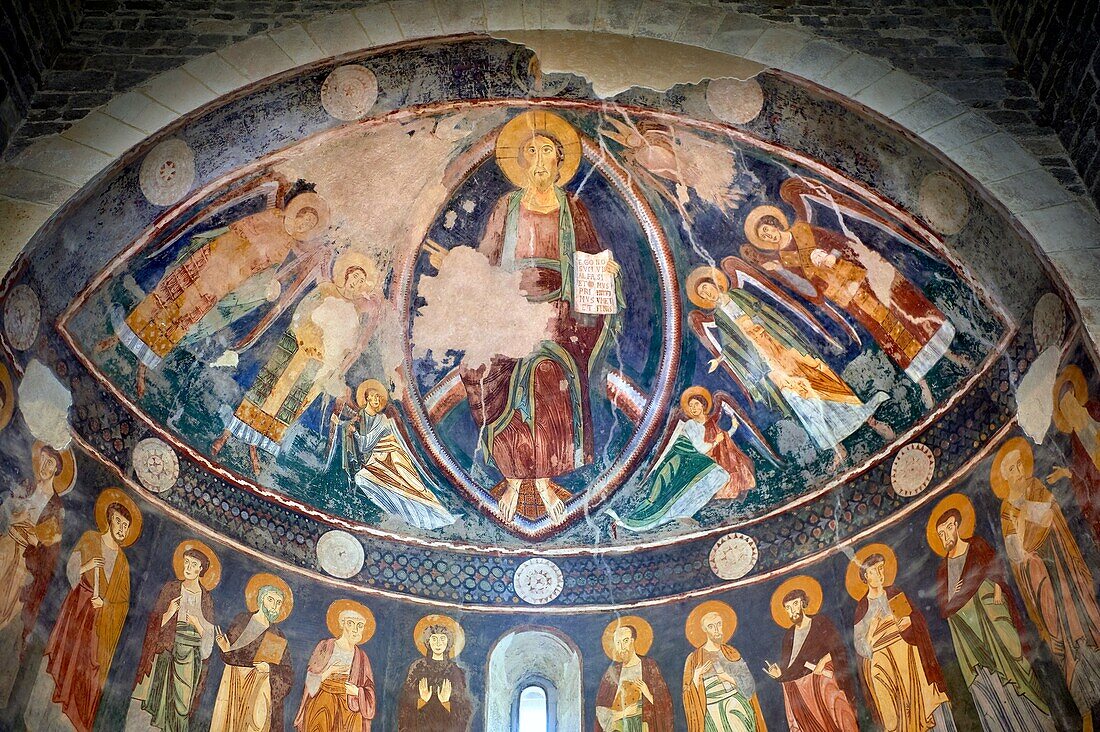
The castle's cultural footprint extends beyond the walls. The adjacent village of Žehra contains the 13th-century Church of the Holy Spirit, whose interior frescoes depicting the Last Judgment and Christ Pantocrator remain some of Slovakia's finest examples of medieval ecclesiastical art. Together, the castle and church form a designated protection zone that restricts development and preserves the ridgeline's medieval profile. Spis castle from kosice remains the most-visited fortification in Slovakia, drawing 120,000 annual visitors who come to walk ramparts that once governed a tenth of the Hungarian kingdom's trade revenue.
Spišský Hrad covers 41,426 square metres of limestone ridge — the largest castle complex by area in Central Europe.
Wear sturdy, comfortable footwear with good grip as the paths leading to and within the castle are uneven, rocky, and steep. Dress in layers suitable for changing mountain weather conditions.
Large backpacks are discouraged due to the steep climb and narrow passages. Security may conduct spot checks at the entrance to ensure the safety of the UNESCO heritage site.
Photography is permitted throughout the accessible middle and lower courtyards. Please respect marked zones where photography may be restricted for structural safety reasons during site restoration.
Families are welcome, though children should be supervised closely near walls and steep edges. Strollers are not recommended due to the rough terrain and stairs.
Due to its medieval origins and rugged terrain, the site is largely inaccessible to wheelchairs. Visitors with mobility challenges may find the incline and uneven paths difficult to navigate.
Picnicking is not permitted inside the castle ruins. Light refreshments are available near the entrance, and traditional local dining can be found in the village below.
Opening Hours
09:00–17:00 daily
Address
Spišský hrad, 053 61 Žehra, Slovakia
Accessibility
Some areas limited due to ruin status
Best arrival window
09:00–11:00
Navigation
Follow signposts from Spišské Podhradie
Public transport · Varies · Low cost
Regional bus services frequently connect to Spišské Podhradie from nearby hubs. From the stop, it is a roughly 1-hour walk or short taxi ride to the castle.
Car · Varies · Cost of fuel
Access via the D1 motorway with clear signage for Spišský hrad. Free parking is available at the base of the hill.
Online tickets for spis castle from kosice offer flexibility. Cancellations are typically permitted up to 24 hours before the scheduled entry time for a full refund of the 12 EUR adult entrance fee.
Recommended time
3-4 hours
Planning your trip to spis castle from kosice requires accounting for travel and the extensive walking paths within this UNESCO heritage site. A visit typically spans several hours to explore the medieval ruins and the main tower, while spis castle from kosice tours often suggest leaving early to manage the climb comfortably. If you book your spis castle from kosice tickets online, you can proceed directly to the entrance once you arrive at Spišský hrad, 053 61 Žehra, Slovakia. Adjust your schedule if you plan on an in-depth exploration of the museum exhibits.
Crowd levels through the day
Weather · crowds · average price — dots go green to amber to red as each metric rises.
Mild temperatures make the steep climb to the castle much more comfortable. Wildflowers begin to bloom around the base of the travertine hill.
Expect peak crowds and warmer weather, so arrive during the recommended morning window to avoid the midday heat.
The cooler air and changing leaf colors provide a dramatic backdrop for viewing this massive complex.
A quiet time to visit with fewer crowds, though weather can be brisk and occasionally rainy.
The approach to the castle involves a steep, uneven climb that is challenging in sandals or flip-flops. Wear athletic shoes with good tread for safety.
Plan your visit to spis castle from kosice during the early morning hours to avoid the strongest sun on the exposed hilltop. This also helps in avoiding peak congestion from bus tour groups.
Before booking your spis castle from kosice tour, verify current access restrictions. Reconstruction work on the upper sections of the site can shift daily.
While many spots now accept digital payments, carrying small change is useful for local parking or purchasing small items at the base.
Pick up a printed map at the ticket office upon entry. The layout is expansive and it helps locate specific historical markers.
The ruins are fragile and have been damaged by weather and time. Always stay behind barriers to ensure the longevity of the structure.
Spiš Castle stands as one of Central Europe's largest fortress complexes, its origins reaching back to the early 12th century when Hungarian kings fortified this limestone ridge to guard trade routes linking Košice with Poland. The first stone fortifications appeared around 1113, commissioned by the Kingdom of Hungary to secure its northern frontier against Tatar incursions and rival feudal powers. By 1209, the castle had become the seat of the Spiš County administration, cementing its role as both military stronghold and administrative nerve center for the region. The castle's architecture evolved through successive occupations and near-catastrophic events. In 1241, Mongol forces besieged but failed to breach the upper fortifications, prompting medieval engineers to expand the Romanesque core with Gothic defensive towers and reinforced curtain walls. The Zápoľský family acquired the estate in 1531 and transformed the austere military post into a Renaissance residence, adding palatial wings and decorative loggias that reflected Habsburg-era prosperity. When Ottoman pressure mounted along Hungary's southern borders, Spiš Castle served as a refuge and arsenal, storing gunpowder and provisions for regional militias defending the Carpathian passes that connect spis castle from kosice to highland territories. Disaster struck in 1780 when fire gutted the residential quarters and chapel, leaving the complex abandoned for nearly two centuries. The Csáky family, then owners, chose to relocate rather than rebuild, and the ruins became quarried stone for local construction. Systematic restoration began only in 1970 under Czechoslovak heritage authorities, who stabilized the crumbling towers and reconstructed key defensive elements using archaeological evidence. UNESCO recognized the site in 1993 alongside the nearby town of Spišské Podhradie and Žehra's Church of the Holy Spirit, affirming the castle's significance within the broader Spiš cultural landscape. Today, visitors exploring spis castle from kosice tours encounter layered fortifications spanning six centuries, from Romanesque foundations to Renaissance courtyards, all commanding panoramic views across the Hornád River valley and the High Tatra peaks beyond.
Hungarian King Coloman orders construction of the first stone fortifications on the limestone outcrop.
Mongol siege fails to capture the upper castle, prompting expansion of defensive walls and towers.
Zápoľský family acquires the estate and begins Renaissance-era residential renovations.
Catastrophic fire destroys the residential quarters; the Csáky family abandons the castle.
Czechoslovak authorities launch systematic archaeological restoration and structural stabilization.
UNESCO inscribes Spiš Castle and surrounding monuments on the World Heritage List.
Position yourself on the path leading up from the village of Spišské Podhradie for a wide-angle shot of the fortress walls against the hillside. This vantage point captures the scale of the UNESCO heritage site as you plan your spis castle from kosice tour.
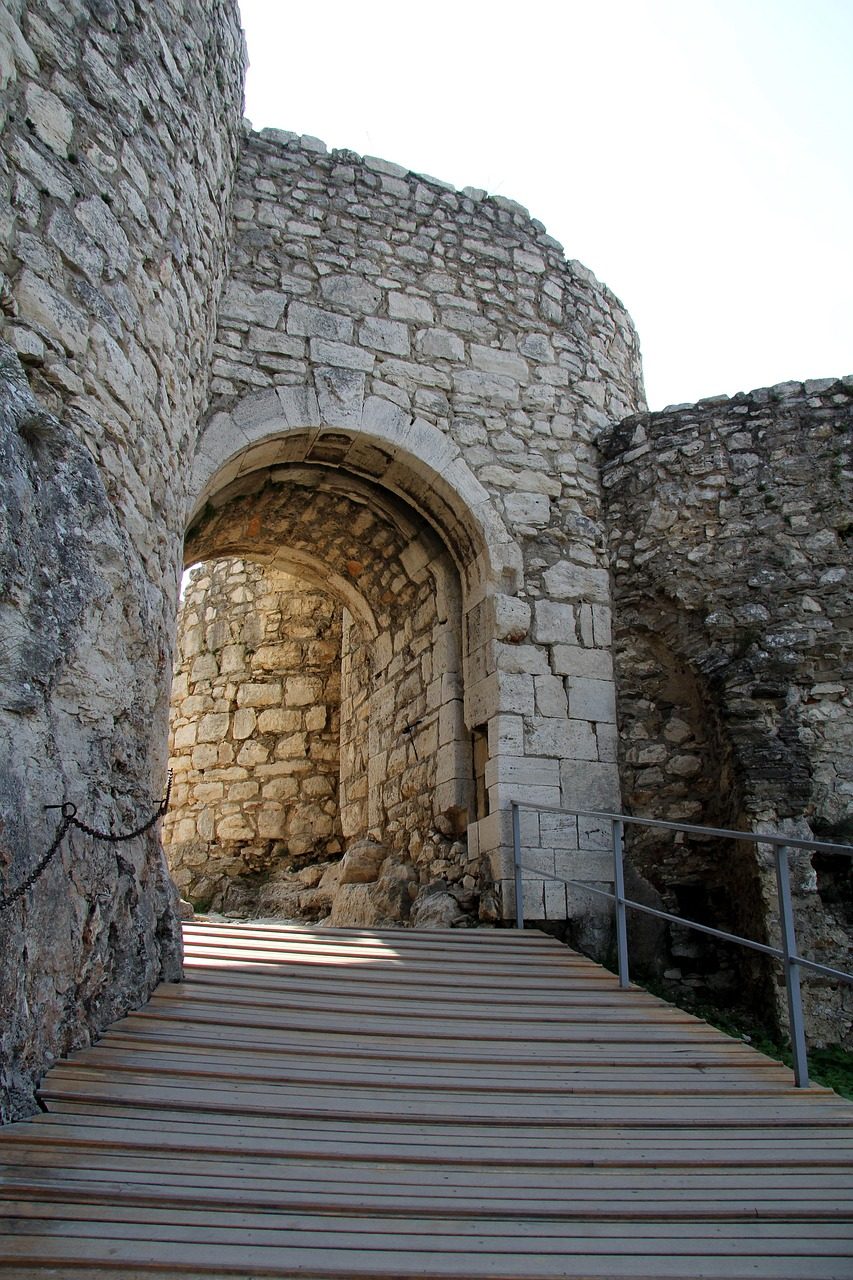
Stand just outside the fortification entrance to frame the medieval stone archway and the defensive iron lattice features. This perspective highlights the architectural complexity of the site, making it a popular choice for those with spis castle from kosice tickets.
Ascend to the highest accessible level to capture sweeping vistas of the surrounding landscape and the Romanesque palace remnants. Photographers often use this spot for spis castle from kosice tours to document the elevation of the landmark.
Walk along the southern outer wall to find openings that frame the distant village rooftops through the castle battlements. This composition provides a layered aesthetic often seen in photography of Slovak landmarks.
Dining options near spis castle from kosice are primarily located in the surrounding village of Žehra rather than within the stone fortifications. Visitors planning a spis castle from kosice tour often find small local establishments ideal for a post-hike meal, though securing spis castle from kosice tickets in advance allows you to better manage your time for a relaxed lunch.
Located at the base of the hill, this restaurant serves traditional Slovak dishes like bryndzové halušky in a rustic setting. It fills up quickly during the peak midday arrival window, so arrive early to secure a seat.
This venue offers a quiet atmosphere and a selection of hearty soups and grilled meats. It is a reliable choice for families looking for a sit-down meal after descending from the UNESCO heritage site.
Real experiences from real travelers
The spis castle from kosice day trip exceeded expectations. Arrived mid-morning and spent three hours exploring the sprawling ruins. The Romanesque chapel frescoes are remarkably intact, and the views across the Spiš region from the upper battlements show why this location was chosen. Wear sturdy shoes for the uneven stone paths.
Visited on a clear June afternoon. The castle complex is vast, with multiple courtyards and tower sections to explore. Staff at the entrance provided a helpful map showing the Romanesque and Gothic sections. The defensive walls demonstrate medieval engineering at its peak.
Drove from Košice in under ninety minutes. The fortress sits dramatically above the plains, visible for kilometers. Spent the afternoon photographing the limestone walls against storm clouds. The UNESCO designation is well deserved — this is one of Europe's largest castle sites by area.
The scale of Spiš Castle surprised us. Plan at least two hours to see the main sections. Limited shade on hot days and no facilities inside the ruins. The view from the highest tower makes the steep walk worthwhile. Audio guide added historical context we would have missed.
Toured the castle on an April morning with wildflowers blooming on the hillside. The combination of Romanesque, Gothic and Renaissance architecture shows centuries of strategic importance. Few crowds in shoulder season made photography easy. The spis castle from kosice route is straightforward via highway.
This medieval stronghold offers authentic ruins without excessive reconstruction. The chapel, palace wing and fortification walls reveal how Slovak nobility lived and defended territory. Arrived at opening time to avoid midday heat. Two hours covered the essential areas at a comfortable pace.
Locals know this fortress well but international visitors often miss it. The limestone towers and ramparts have weathered eight centuries with dignity. Clear signage in multiple languages guides you through the complex. Pack a lunch and eat on the western terrace overlooking the Tatras.
The drive up the access road offers glimpses of the castle's commanding position. Once inside, each courtyard reveals another layer of medieval life. The defensive architecture makes sense when you see the unobstructed sightlines across the valley. Wear layers as wind picks up on the exposed ramparts.
Combined this with a visit to nearby Spišské Podhradie village. The castle rewards exploration with hidden corners and vaulted chambers. Some areas remain closed for ongoing conservation. Entry fee is reasonable given the site's size. The spis castle from kosice excursion makes an excellent break from urban touring.
Arrived late afternoon and watched sunset from the upper ward. The golden light on the white stone walls creates perfect conditions for photography. This fortress functioned as both military installation and noble residence. The Spiš Castle ruins demonstrate why UNESCO protection matters for Central European heritage.
Everything you need to know for your journey
Spiš Castle is open daily from 09:00–17:00 throughout the season.
Due to the steep, rocky, and ruined nature of the site, it is not considered accessible for visitors with significant mobility limitations.
While not strictly required, pre-booking your spis castle from kosice tour ensures a smooth experience, especially during the busy summer months when timed entry may be prioritized.
The standard entrance fee for an adult ticket is 12 EUR.
Pets are generally not permitted inside the castle interior; please check with site staff regarding outdoor perimeter areas.
Plan for at least 2–3 hours to walk from the parking area, explore the courtyards, and take in the views.
Yes, photography is permitted in the open courtyards, though please respect any marked safety zones where access is prohibited.
The most common way to make a spis castle from kosice trip is by car or bus via the D1 motorway, taking approximately 1 hour.
Bring comfortable, closed-toe walking shoes, a water bottle, and protection from the sun or rain as the site is highly exposed.
There are no dining venues inside the historic ruins; please plan to eat in the village of Spišské Podhradie before or after your visit.
A historic ecclesiastical town featuring a Romanesque cathedral and canonical houses. It is part of the same UNESCO complex as the castle.
Famous for its well-preserved medieval wall paintings and unique architectural style. A vital stop for those interested in local heritage.
A unique travertine mound with mineral springs and bubbling water. It offers an excellent perspective looking back toward the castle ruins.
Small guesthouses and family-run pensions located near the castle base.
Charming historical hotels located within the medieval town walls.
Join thousands of happy travelers who have discovered this incredible experience
Book Your Experience Now